
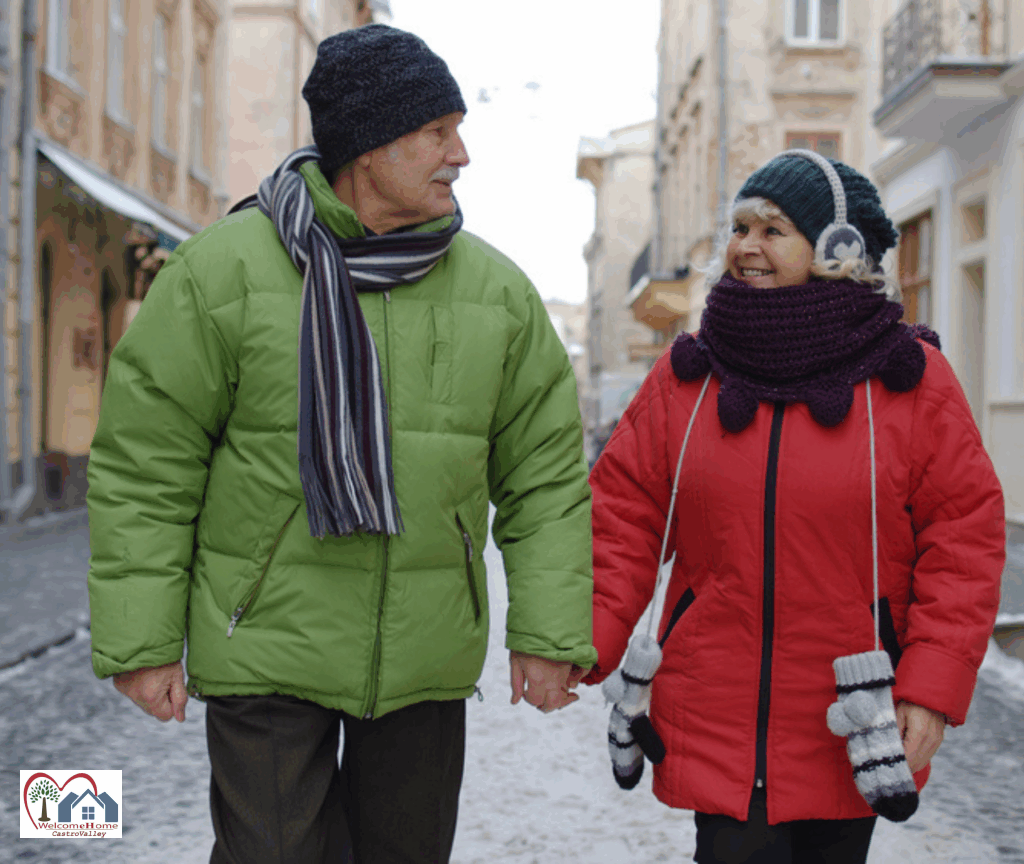
February does not arrive with loud promises. It settles in gently, often cold and slower, asking the body to move at a different pace. For many older adults, this month becomes a quiet test. Energy dips. Joints feel stiffer. Motivation fades faster than usual.
And yet, February is also when small daily movements matter the most.
After years of working closely with aging adults and observing how they move through their homes and routines, I have learned something important. Health in February is rarely protected by big changes. It is protected by small, consistent movements that feel safe, familiar, and doable.
These movements may look insignificant, but their impact is anything but.
Why February Challenges Aging Bodies More Than We Realize
Winter months naturally reduce activity. Colder weather keeps people indoors. Shorter days affect mood and energy. Muscles tighten more easily, and joints take longer to warm up.
For seniors, this can quietly lead to:
- Longer periods of sitting
- Reduced circulation
- Increased stiffness and fatigue
- Greater fear of slipping or overexertion
By February, these effects have had time to settle in. The body adapts quickly to stillness, and once movement decreases, it becomes harder to restart.
That is where small daily movements make a difference.
The Power of Movement That Does Not Feel Like Exercise
Many seniors feel intimidated by the idea of exercise. It sounds demanding, structured, and sometimes risky. Small daily movements remove that pressure entirely.
Standing up slowly and sitting down with control.
Walking a few extra steps inside the home.
Reaching, stretching, turning, and shifting weight naturally throughout the day.
These movements keep the body engaged without overwhelming it.
From a wellness and mobility perspective, this kind of movement supports circulation, joint health, balance, and breathing without triggering fear or exhaustion.
In February, the goal is not intensity. It is continuity.
How Small Movements Support Joint and Muscle Health
Aging joints thrive on gentle use. When movement stops, stiffness increases quickly. Muscles lose elasticity. Range of motion narrows.
Small daily movements help by:
- Lubricating joints through regular motion
- Maintaining muscle engagement
- Reducing stiffness before it becomes painful
Even simple actions, repeated daily, send a message to the body that it is still needed and still capable.
I often see seniors feel better not because they moved more, but because they stopped staying still for too long.
Circulation and Heart Health Benefit Quietly
The heart does not require intense workouts to stay engaged. It responds beautifully to steady, gentle activity.
Small movements encourage:
- Better blood flow
- More consistent oxygen delivery
- Improved breathing patterns
In February, when people naturally move less, these small actions help prevent the sluggish circulation that contributes to fatigue and discomfort.
What matters is not how far someone moves, but how often they keep their body active.
Confidence Grows With Repetition
One of the most overlooked benefits of small daily movements is confidence.
When seniors move safely and successfully throughout the day, they begin to trust their bodies again. That trust reduces hesitation, fear, and anxiety around movement.
Confidence grows through moments like:
- Standing without grabbing furniture
- Walking through a room without stopping
- Completing a task without feeling unstable
These experiences encourage more movement naturally. The body follows the mind, and the mind responds to reassurance.
In February, this confidence is especially valuable because fear of falls or injury often peaks during winter.
Emotional Well-Being Improves With Gentle Motion
Movement affects mood just as much as muscles.
Small daily movements help regulate stress hormones, support better sleep, and reduce feelings of restlessness or isolation. For seniors spending more time indoors, this emotional lift can be subtle but powerful.
I have noticed that seniors who move regularly, even in small ways, tend to feel more engaged with their day. They are less withdrawn and more willing to participate in conversations and routines.
Movement becomes a quiet form of emotional care.
Why Consistency Matters More Than Motivation
February is not a month that inspires motivation. Waiting to feel motivated often means waiting too long.
Small movements succeed because they do not rely on motivation. They rely on routine.
When movement becomes part of daily life rather than a separate task, it feels achievable even on low-energy days. That consistency protects the body over time.
From a care and wellness perspective, this approach is far more sustainable than encouraging bursts of effort that quickly fade.
The Home Environment Plays a Role
Movement feels easier when the environment supports it.
Clear walkways, good lighting, stable furniture, and accessible seating all encourage seniors to move more often and with less fear.
I have seen seniors increase their activity simply because their home felt safer to move in. Not stronger, just more secure.
February is the right time to pay attention to these details because small environmental changes can unlock healthier movement habits without physical strain.
What Families and Caregivers Often Overlook
Families often focus on encouraging exercise while missing the importance of everyday motion.
They may ask, “Did you exercise today?” instead of noticing how often their loved one stood, walked, stretched, or changed position.
Those small moments add up.
Supporting daily movement means celebrating consistency, not pushing performance.
A Quiet Kind of Protection
Small daily movements do not announce themselves. They do not show up on charts right away. They work quietly, protecting aging bodies in ways that feel natural rather than forced.
In February, this quiet protection matters.
It keeps joints flexible.
It supports circulation.
It reduces fear.
It stabilizes mood.
It maintains confidence.
Aging bodies do not need to be pushed this month. They need to be gently reminded that movement is still safe, still possible, and still part of everyday life.
And sometimes, the smallest movements do the most meaningful work.
