
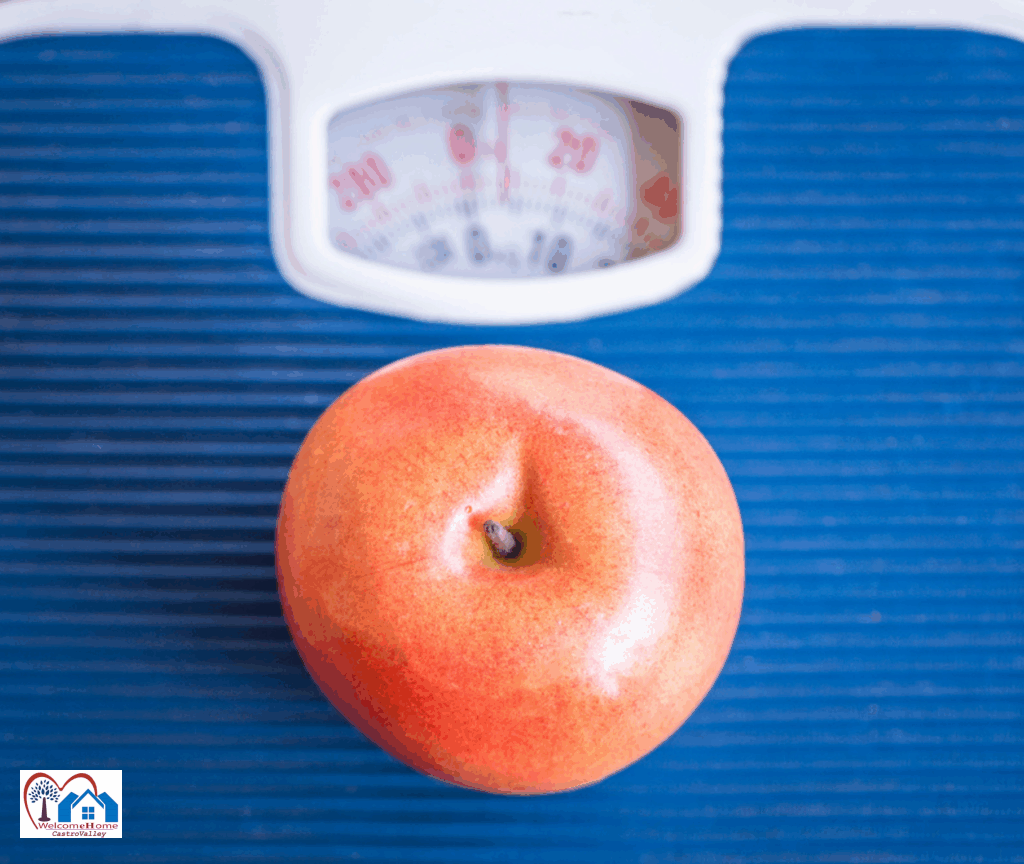
Every January, people talk about fresh starts, motivation and healthier habits. But tucked into all the noise of resolutions is something quieter and more emotional. National Weigh-In Day and Healthy Weight Week. On the surface, these days look simple. Step on the scale. Get a number. Make a plan. But as someone who runs a homecare agency, I have learned that weigh-ins tell us more than we realize. They reveal fears, hopes, frustrations and sometimes even the stories people do not speak out loud.
In homecare, we see the real relationships people have with their bodies. Not the polished social media version. Not the version they proudly describe to friends. The real one. The one that shows up in daily routines, in quiet worries, in physical limitations and in the way people talk about food, movement and health. Weigh-In Day shines a light on all of it.
Why a Simple Number Feels So Personal
A weigh-in seems small, but many people feel nervous before stepping on the scale. Some hold their breath. Some try to predict the number. Some ask the caregiver not to look. Others skip it altogether.
Why does a simple measurement carry so much weight in our minds?
• It often becomes a measure of self worth
• It brings up past habits or experiences
• It exposes lifestyle patterns we try to avoid
• It reminds people of aging or health changes
• It taps into old beliefs about what our bodies should look like
In homecare, we see an important truth. The scale is not the problem. The stories attached to it are.
What Weigh-In Day Reveals About the Way We Treat Ourselves
Every January, people step on the scale hoping for accountability or direction. But what the moment really reveals is how kind or unkind we are to ourselves.
Here are the patterns I witness often:
1. People are quick to criticize their bodies
I have heard clients whisper words about themselves that they would never say to another person. The scale becomes a place where their inner critic grows louder.
2. Weight changes bring emotional reactions
Some feel relief. Some feel disappointment. Some feel fear because they know a weight loss might be related to an illness. The number is not just physical. It is emotional.
3. Many use the scale as a scoreboard
If the number is lower, they feel like a winner. If the number goes up, they feel like they failed. But bodies are not scoreboards. They are living, changing systems.
4. Older adults attach weight to independence
For many seniors, their weight affects mobility, balance and strength. So every weigh-in feels like a sign of how well they can continue living life on their terms.
5. Families often worry silently
A daughter may notice her mother losing weight quickly. A son may wonder why his father is gaining. The weigh-in becomes a starting point for difficult conversations.
Weigh-In Day exposes our emotional habits more than our physical ones.
How Homecare Changes the Meaning of a Weigh-In
In a homecare setting, weigh-ins serve a real purpose. They help track health changes and catch issues early. But the process also opens doors to understanding a person’s lifestyle, comfort and confidence.
Here is what I have learned as a homecare owner.
1. The scale becomes a tool for care, not judgement
We approach it with gentleness, not pressure. When clients feel safe, they open up about things they would otherwise hide.
2. Patterns become clearer
Sudden weight gain or loss can point to mobility challenges, medication changes, appetite issues or emotional stress.
3. Conversations become deeper
A number can lead to meaningful discussions about eating habits, loneliness, chronic pain or mental health.
4. Care becomes truly personalized
If someone is losing weight due to low appetite, we adjust meals. If someone struggles with mobility, we add safe exercises. If someone feels discouraged, we include more emotional support.
A simple habit becomes a doorway into better care.
Healthy Weight Week Helps Us Rethink Body Expectations
Healthy Weight Week encourages people to step away from old beliefs about dieting and unrealistic body standards. It focuses on sustainable habits, balanced routines and compassionate self care.
In homecare, we focus on:
• Strength instead of size
• Energy instead of appearance
• Mobility instead of restriction
• Daily function instead of perfection
These values help older adults feel empowered, not pressured.
The Real Meaning of a Weigh-In for Families
When families hear about National Weigh-In Day, they often think it is only for people trying to diet. But for older adults, the scale is a vital health tool.
Here are the signs families need to watch:
1. Unexpected weight loss
This can indicate poor appetite, dental issues, depression or early illness.
2. Regular weight gain
Sometimes this points to heart issues, reduced movement or fluid retention.
3. Fear or avoidance of weigh-ins
This often signals emotional distress or body image concerns.
4. Changes in energy levels
Weight is closely connected to strength and stamina.
5. Difficulty with clothing
If clothes become tighter or looser suddenly, it may indicate underlying problems.
Families often say, “We should have paid attention sooner.” Healthy Weight Week encourages earlier awareness.
A Kinder Way to Approach Our Bodies This Year
If Weigh-In Day teaches us anything, it is that our bodies deserve care, patience and respect. Instead of using the scale as a judge, we can use it as a guide.
Here is how to make that shift:
• View the scale as information, not a verdict
• Celebrate small improvements in mobility or strength
• Focus on nourishing meals, not restrictions
• Pair weigh-ins with encouraging conversations
• Remember that every body changes with time
• Acknowledge emotional reactions without shame
As a homecare agency, our goal is not to tell people what they should weigh. Our goal is to help them feel safe, supported and capable in their daily lives.
Final Thought
Weigh-In Day is not really about numbers. Healthy Weight Week is not about perfection. Together, they remind us to check in with ourselves, both physically and emotionally. Our bodies carry us through every chapter of life. They deserve kindness, attention and understanding.
The scale tells part of the story, but your habits, confidence and wellbeing tell the rest. This year, let your weigh-in be a moment of awareness and compassion, not criticism. Your body is doing its best. And you deserve to meet it with the same care.
