
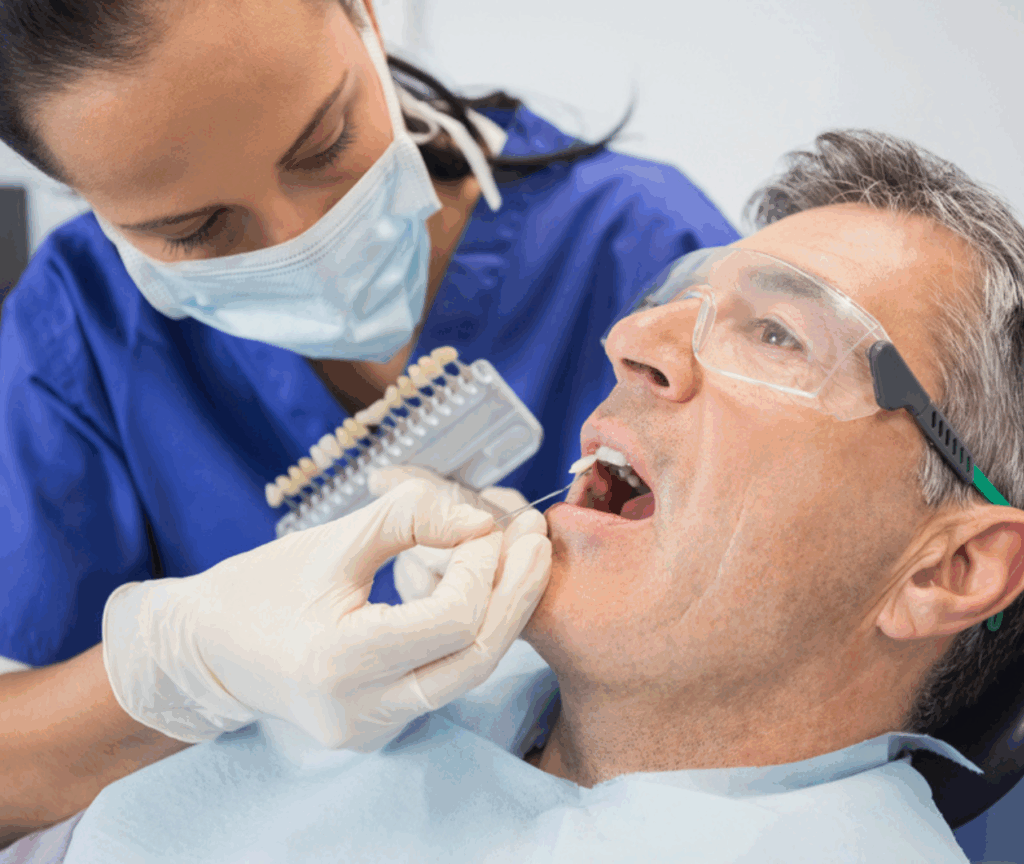
National Dental Hygiene Month, observed in October, can support better overall health for older adults by encouraging regular oral hygiene, appropriate dental care, and early attention to changes involving the teeth, gums, mouth, and dentures. Oral health remains important throughout life. For older adults, problems such as dry mouth, gum disease, tooth loss, medication effects, and difficulty brushing can make daily dental care more challenging. October is a good time for older adults, families, and caregivers to review oral care routines and address concerns with dental professionals.
Why Is Dental Hygiene Important for Older Adults?
A healthy mouth can make it easier to eat, speak, and participate comfortably in everyday activities.
Dental problems can cause pain and make chewing certain foods difficult. This can affect food choices and may contribute to nutrition concerns.
Older adults may experience issues such as:
- Tooth decay
- Gum problems
- Tooth loss
- Dry mouth
- Mouth discomfort
- Denture problems
- Difficulty chewing
- Difficulty performing daily oral care
Dental problems should not automatically be considered a normal part of getting older.
Regular dental care can help identify concerns and provide individualized recommendations.
How Can Daily Brushing Help?
Brushing helps remove food particles and plaque from the teeth.
Older adults should follow recommendations from their dentist or dental hygienist regarding brushing techniques and products.
For many people, an appropriate fluoride toothpaste may be recommended as part of a regular oral hygiene routine.
The toothbrush itself also matters. Some older adults find a powered toothbrush easier to use, particularly when arthritis, weakness, or limited hand movement makes a traditional toothbrush difficult to control.
A dental professional can recommend options based on the individual’s needs.
Why Is Cleaning Between the Teeth Important?
A toothbrush cannot always clean every area between the teeth.
Depending on the person’s dental health and abilities, a dentist or dental hygienist may recommend floss, interdental brushes, water flossers, or another method for cleaning between teeth.
Older adults with arthritis or limited hand coordination may find traditional flossing difficult.
Instead of giving up on cleaning between the teeth, they can ask a dental professional about tools that may be easier to handle.
The best method is one that is appropriate for the individual’s mouth and can be used correctly and consistently.
Why Can Dry Mouth Be a Concern?
Dry mouth can become more common among older adults and may be associated with medications, health conditions, or other factors.
Saliva performs important functions in the mouth. When the mouth remains unusually dry, dental problems and discomfort may become more likely.
An older adult experiencing persistent dry mouth should discuss it with a dentist or healthcare professional.
Do not stop a prescription medication because dry mouth is suspected as a side effect. A qualified professional can review medications and recommend appropriate next steps.
Do Dentures Need Daily Care?
Yes. Dentures and the mouth still require regular care even when someone no longer has natural teeth.
Dentures should be cleaned according to instructions from a dental professional and the product manufacturer.
Families should also watch for changes such as:
- Sore areas
- Difficulty chewing
- Loose dentures
- Mouth irritation
- Cracks or damage
- Changes in fit
A person’s mouth can change over time, so dentures that once fit comfortably may eventually need professional attention.
Regular dental examinations may still be important for people with full dentures.
How Can Arthritis Affect Dental Hygiene?
Arthritis in the hands, wrists, shoulders, or other joints can make brushing, flossing, and handling dental products more difficult.
Simple adaptations may help.
An older adult might benefit from a toothbrush with a larger or easier-to-grip handle, an electric toothbrush, or another adaptive oral care product.
Caregivers and family members should encourage as much independence as is practical while providing appropriate assistance when needed.
An occupational therapist or dental professional may also have suggestions for people experiencing physical difficulties with oral hygiene.
Can Family Caregivers Help With Oral Care?
Family caregivers can help by making oral hygiene part of a regular daily routine.
Depending on the older adult’s needs, this could involve:
- Keeping dental supplies accessible
- Providing reminders
- Helping schedule dental appointments
- Providing transportation
- Watching for changes in eating
- Helping clean dentures
- Assisting with oral care when appropriate
Any assistance should respect the older adult’s privacy, comfort, preferences, and abilities.
Professional caregivers should also follow their care plans, training, agency policies, and applicable regulations.
What Warning Signs Should Families Notice?
Changes in the mouth deserve attention, especially when they persist.
Contact a dentist or other appropriate healthcare professional about concerns such as ongoing tooth or mouth pain, bleeding or swollen gums, loose teeth, persistent sores, unusual swelling, problems chewing, or changes in denture fit.
Families should also pay attention if an older adult suddenly avoids certain foods or stops eating normally.
The problem may not simply be a lack of appetite. Dental pain or difficulty chewing could be contributing.
Early professional evaluation may help identify the cause.
How Can Oral Health Affect Nutrition?
Eating nutritious foods becomes more difficult when chewing is painful or uncomfortable.
An older adult experiencing dental problems may begin avoiding foods that are difficult to chew and rely on a smaller variety of foods.
Families should not simply assume that changing the diet is the complete solution.
Dental concerns should be professionally evaluated. If nutritional problems are also present, a healthcare professional or registered dietitian may provide additional guidance.
Why Is October a Good Time for an Oral Health Review?
National Dental Hygiene Month makes October a natural time to check dental routines and supplies.
The upcoming holiday season can also involve changes in eating habits, travel, and family gatherings.
Family visits may give adult children an opportunity to notice whether an older parent is having trouble eating, caring for dentures, or maintaining normal oral hygiene.
October can be used to replace worn toothbrushes, review oral care routines, schedule needed dental appointments, and address unresolved concerns.
How Can National Dental Hygiene Month Encourage Healthy Aging?
National Dental Hygiene Month can remind families that oral health should remain part of an older adult’s overall approach to healthy aging.
Daily oral hygiene, appropriate dental examinations, properly fitting dentures, and attention to changes can support comfort and everyday function.
Older adults who have difficulty maintaining oral hygiene should not simply abandon their normal routines. Families, caregivers, dentists, dental hygienists, and other professionals can work together to find practical solutions.
By using October as an annual reminder to review dental habits and address concerns, older adults can make oral health an important part of maintaining comfort, nutrition, confidence, and quality of life throughout the year.
Legal Disclaimer: This post is strictly for educational use and should not be construed as professional advice (medical, legal, financial, or otherwise).